Simple Methods That Help Walls Stay Strong and Smooth
Drywall installation techniques that last start with solid framing, careful panel placement, and proper taping and finishing. When boards are secured the right way and seams are sealed with care, walls stay smooth and crack-free for years. Whether you are fixing one room or finishing a full home, the steps below help you get strong, clean results.
What You Need Before Starting
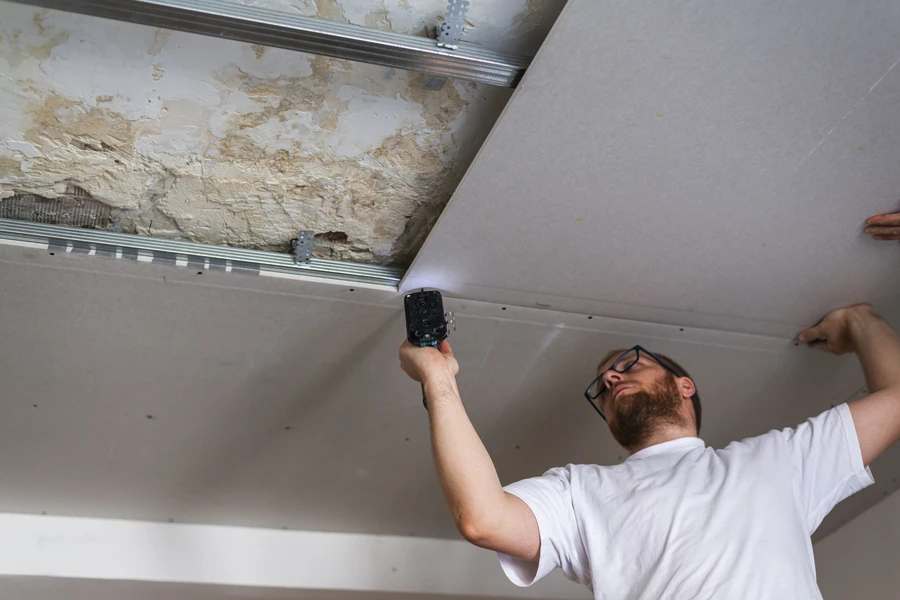
Before any drywall installation begins, check the framing. Studs should be straight, dry, and spaced correctly. Crooked framing leads to uneven walls.
Gather the right tools and supplies:
- Drywall panels in the correct thickness
- Drywall screws, not nails
- Screw gun or drill
- Utility knife with sharp blades
- T-square or straight edge
- Joint tape and joint compound
- Drywall knives in different sizes
- Sanding block or pole sander
Also plan for safe handling. Standard sheets are heavy and awkward. It helps to have a second person for lifting ceilings.
Step-by-Step Process for Strong Results
Follow these steps to complete drywall installation the right way:
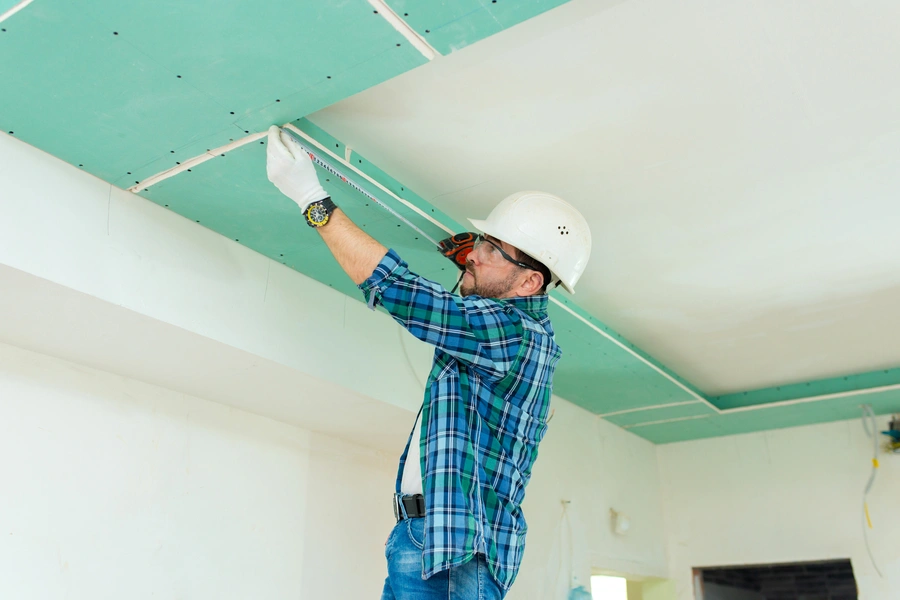
- Measure and cut carefully. Measure the wall height and width. Score the panel with a knife, snap it along the score, and cut the backing paper.
- Hang ceiling panels first. This gives wall panels support at the top edge.
- Stagger vertical seams. Avoid lining up seams on adjacent rows. This reduces weak points.
- Use the right screw spacing. Place screws about 12 inches apart on walls and 8 to 12 inches on ceilings.
- Set screws slightly below the surface. Do not break the paper. The paper gives the board strength.
- Apply joint tape over seams. Press tape into a thin layer of compound.
- Add thin coats of compound. Apply multiple light coats instead of one thick coat. Let each coat dry before sanding.
- Sand smoothly between coats. Wipe off dust before adding more compound or primer.
Taking time during each step helps you avoid cracks, nail pops, and uneven surfaces later.
Common Mistakes to Avoid
Many drywall problems come from rushing or skipping steps.
- Using nails instead of screws. Nails can loosen over time.
- Driving screws too deep. This weakens the hold.
- Not staggering seams. Straight-line seams crack more easily.
- Applying thick coats of compound. Thick layers shrink and crack.
- Sanding too hard. This can damage the paper face.
Another common issue is poor moisture control. In bathrooms or basements, use moisture-resistant panels when needed. Standard boards can absorb humidity and swell.
When to Call a Professional
Some drywall installation projects are simple. Patching a small hole or finishing one closet may be manageable for a handy homeowner. Larger jobs can be more complex.
You may want professional help if:
- The project involves high ceilings
- You see uneven framing or structural issues
- There is water damage or mold behind the walls
- You need a level 4 or level 5 finish for smooth paint results
A professional crew works faster and handles details like tight corners, textured ceilings, and large open spaces. Clean finishing makes a big difference once paint or wallpaper goes on.
Final Recommendation and Next Steps
If you want walls that stay smooth and solid for years, focus on proper drywall installation from day one. Use the right tools, follow correct screw spacing, and apply joint compound in thin, even coats. Small details during hanging and finishing prevent costly repairs later. If you are planning a project in Buffalo, Wyoming, we can help guide you through the process or handle the full job from start to finish. At BL Professional Drywall Service, our team delivers careful work and clean finishes on every project. Call us at (307) 295-0877 to schedule service or ask questions about your next project. We are ready to help you get long-lasting results without the stress of doing it alone.