Simple Steps to Get Flat, Clean Walls That Look Professionally Done
Drywall finishing is the process of taping, mudding, and sanding drywall so the surface looks flat and smooth. To get an even result, you need thin layers of joint compound, smooth taping, and careful sanding between coats. Rushing the job or using too much mud often leads to bumps and lines. With the right tools and a clear plan, you can create walls that are ready for paint and look clean from every angle.
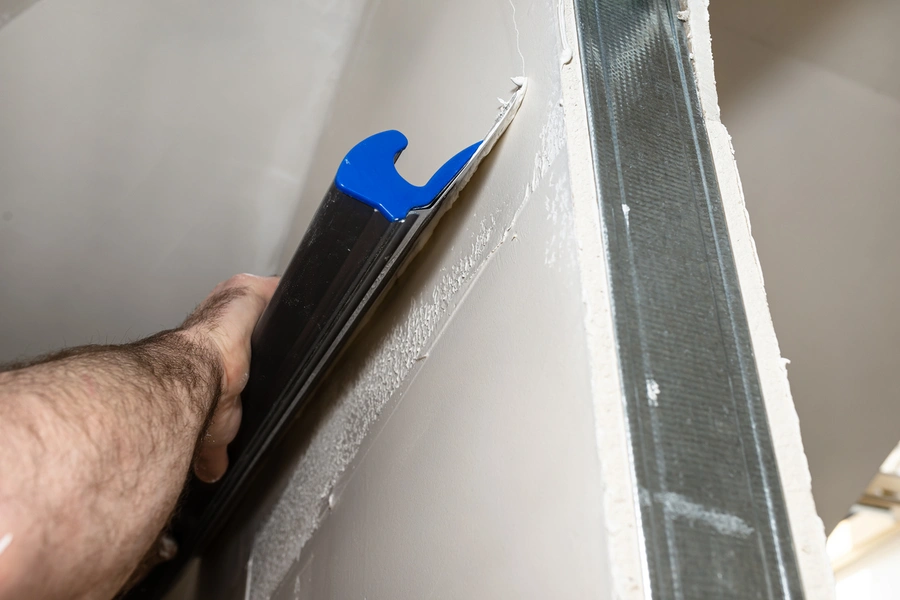
What You Need Before Starting
Before you begin drywall finishing, gather the right tools and materials. Having everything ready saves time and helps you work neatly.
- Joint compound (all-purpose or lightweight)
- Drywall tape (paper or mesh)
- 6-inch, 10-inch, and 12-inch taping knives
- Drywall mud pan
- Sanding block or pole sander
- Fine-grit sandpaper (120 to 220 grit)
- Damp sponge
- Drop cloths and painter’s tape
Make sure the drywall panels are firmly screwed in. Check that all screws are slightly below the surface, but not tearing the paper. Fix any loose boards before you start applying mud.
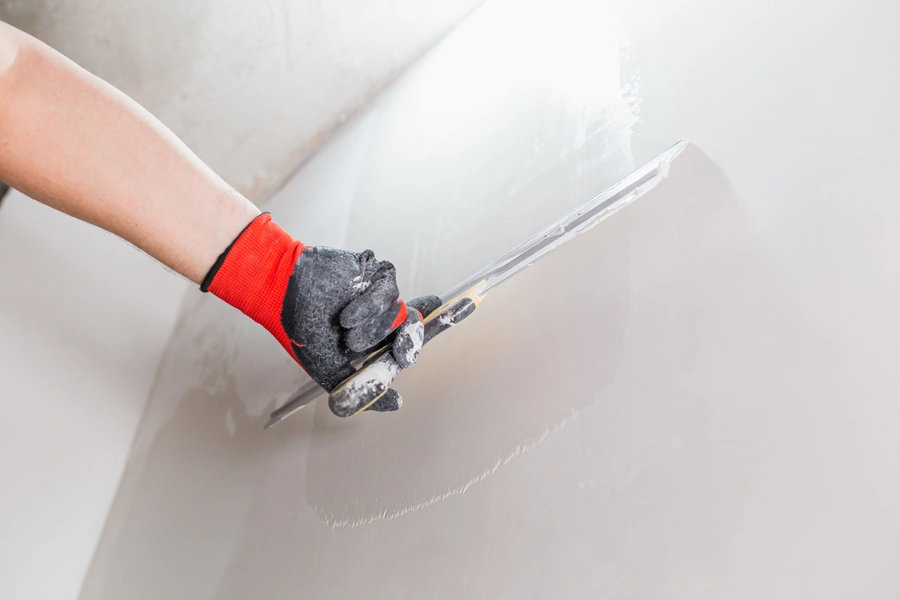
Step-by-Step Process for a Smooth Finish
Drywall finishing works best when done in thin, even coats. Follow these basic steps:
- Apply tape to seams: Spread a thin layer of joint compound over the seam. Press the tape into the mud. Smooth it with a 6-inch knife.
- Cover screw holes: Add a small amount of compound over each screw. Scrape off extra mud so it dries flat.
- Let it dry fully: Dry time depends on humidity and airflow. Do not rush this step.
- Add second coat: Use a wider knife. Spread a thin layer over seams and feather the edges outward.
- Sand lightly: Once dry, sand gently to remove ridges or lines.
- Apply final coat: Use a 12-inch knife for a smooth blend. Keep the layer thin.
- Final sanding: Sand lightly again. Wipe dust with a damp sponge.
Always check your work with a bright light held at an angle. This helps you spot uneven areas before painting.
Common Mistakes to Avoid
Many drywall finishing problems come from simple mistakes. Knowing what to avoid can save hours of repair work.
- Using too much joint compound at once
- Not letting each coat dry completely
- Skipping light sanding between coats
- Pressing too hard and exposing the tape
- Leaving thick edges that show through paint
Another common issue is over-sanding. This can damage the drywall paper and create fuzzy spots. If that happens, you may need to skim a thin layer of mud over the area again.
When to Call a Professional
Small patches and single rooms are often manageable for handy homeowners. Larger jobs can quickly become tricky. High ceilings, detailed corners, and full home renovations take steady hands and experience.
If you see visible seams after painting, large cracks forming, or uneven texture across wide areas, it may be time for expert help. A professional crew can handle full drywall finishing projects faster and with fewer imperfections. This is especially helpful if you are preparing a home for sale or completing a remodel on a deadline.
Final Recommendation and Local Help
If you want smooth walls without the stress, we are ready to help homeowners across Buffalo, Wyoming with expert drywall finishing services. At BL Professional Drywall Service, our team focuses on clean lines, even surfaces, and careful sanding so your walls are ready for paint. Call (307) 295-0877 today to schedule a consultation and let us handle the hard work while you enjoy flawless results.